
Energy Productivity
M.E. Engineering will help you understand energy usage to identify energy efficiency and electrification projects that reduce fossil-fuel usage. This leads to lowering operating costs, cutting emissions, and improving process reliability for manufacturers across Australia.
Reducing energy usage and electrifying process heat
Rising gas prices and tightening emissions targets are pushing manufacturers to reduce energy usage and electrify process heating – but the equipment has to fit the site, integrate with live operations, and pay for itself.
Our team specialises in exactly that: reviewing a site’s real hot water and steam demand, sizing the right combination of equipment, and delivering the detailed design, integration and commissioning to make the switch with minimal disruption.
We have worked with pharmaceutical, food, beverage, distilling and light industrial clients across Australia to reduce energy usage and electrify process plant – often supported by state and federal decarbonisation funding programs.
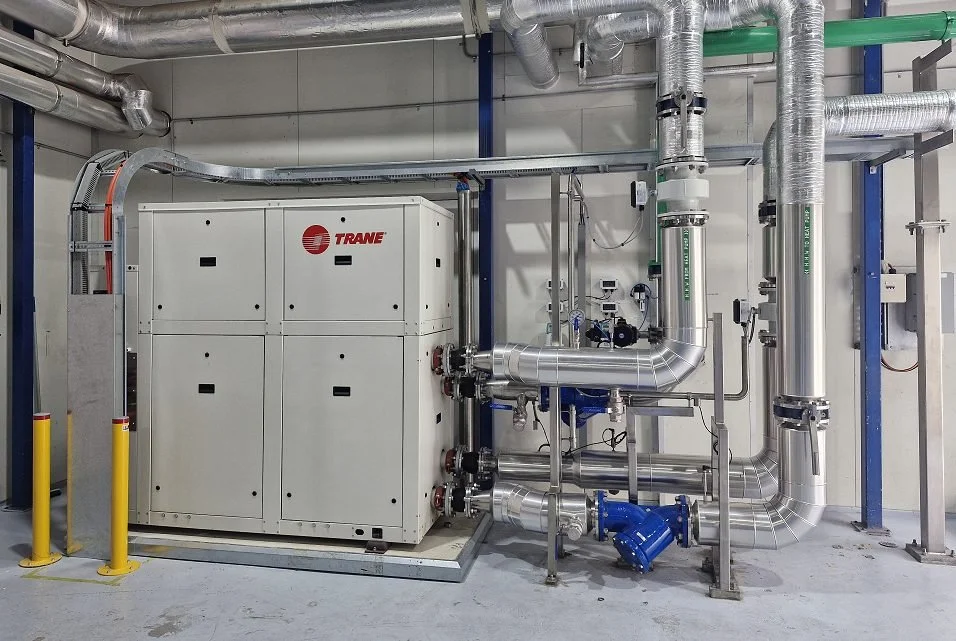
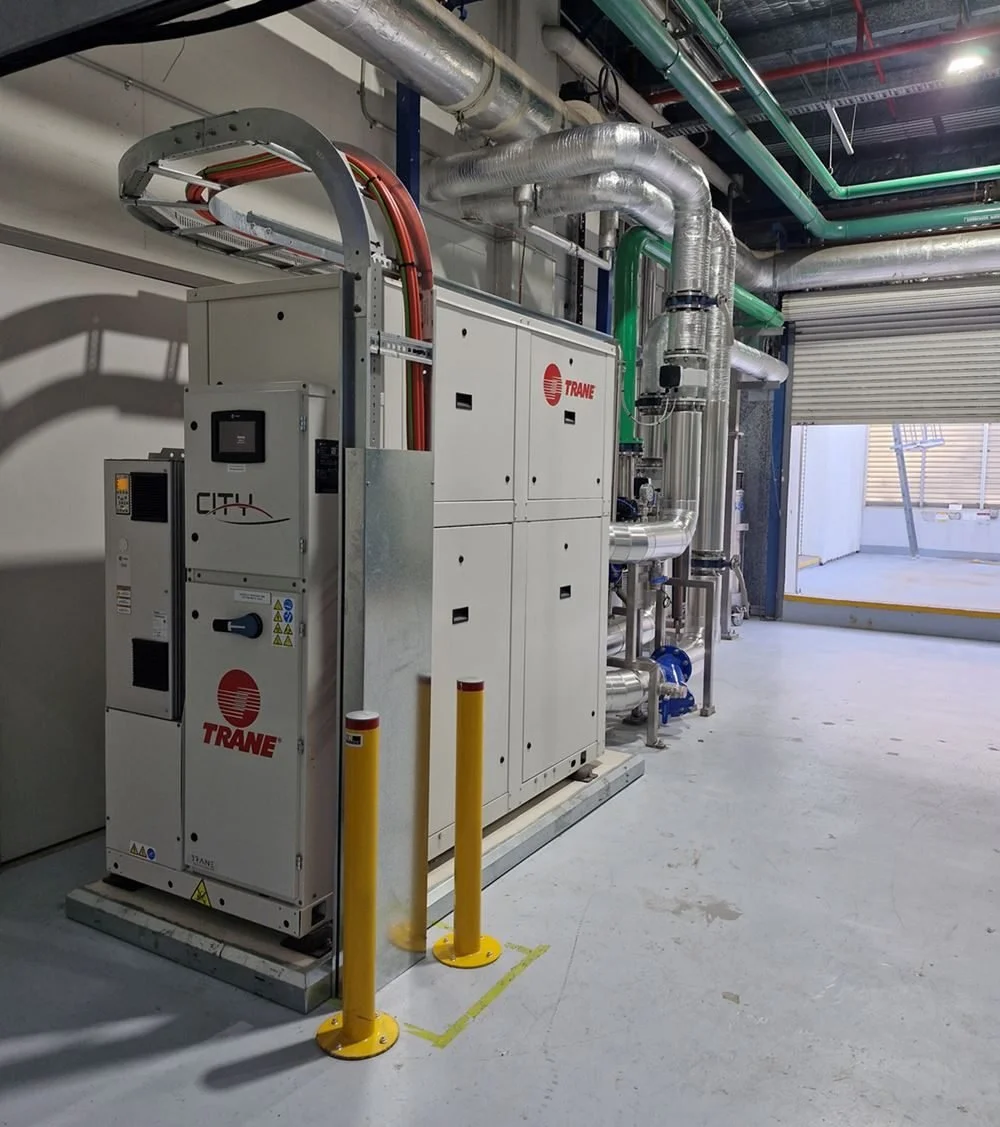
A multi-year project converting a live pharmaceutical manufacturing site from gas-fired steam heating to high-efficiency heat pumps, in support of the site’s global decarbonisation targets.
The site has committed to reducing absolute Scope 1 and 2 emissions by 98% by 2026 (from a 2015 baseline). With energy costs rising and a NSW Government Heat Pump Feasibility Grant available, the site was identified as a strong candidate to replace natural gas boilers with a heat pump and electric boiler system.
Our role:
Led detailed design, integration, installation and commissioning
Integrated the new system into a live site without impacting operations
Selected a heat pump suited to the site’s 65°C hot water requirement – most standard options only reach 55–60°C
Reviewed all site hot water and steam users to correctly size the heat pump and electric boiler solution
Identified and improved the site’s hot water recirculation system, reducing downtime risk
Results:
3,100 GJ per year of steam heating replaced, previously supplied by gas boilers
Heat pump COP above 3.0, in line with forecast
Payback of less than 5 years on the heat pump, including certificate savings
Delivery partners: A2EP (Australian Alliance for Energy Productivity), Northmore Gordon and Trane.
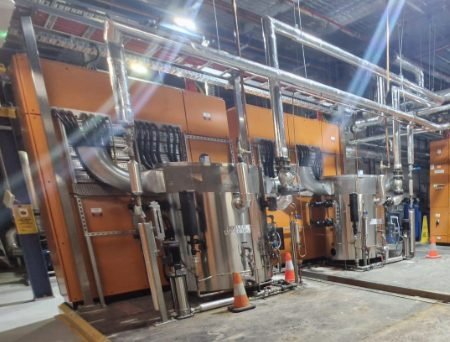
Case study: pharmaceutical plant, NSW – heat pump and electric boiler implementation



From idea to implementation
The pharmaceutical plant project ran over five years, from an initial feasibility study through to full electrification of the site’s process heating.
2022 – Feasibility study by Northmore Gordon, funded by A2EP under the NSW Business Decarbonisation Program
2023 – Proposals developed with vendor and delivery partners
2024 – Vendor assessment, detailed design and approval
2025 – Installation and commissioning of heat pumps
2026 – Installation and commissioning of electric boilers
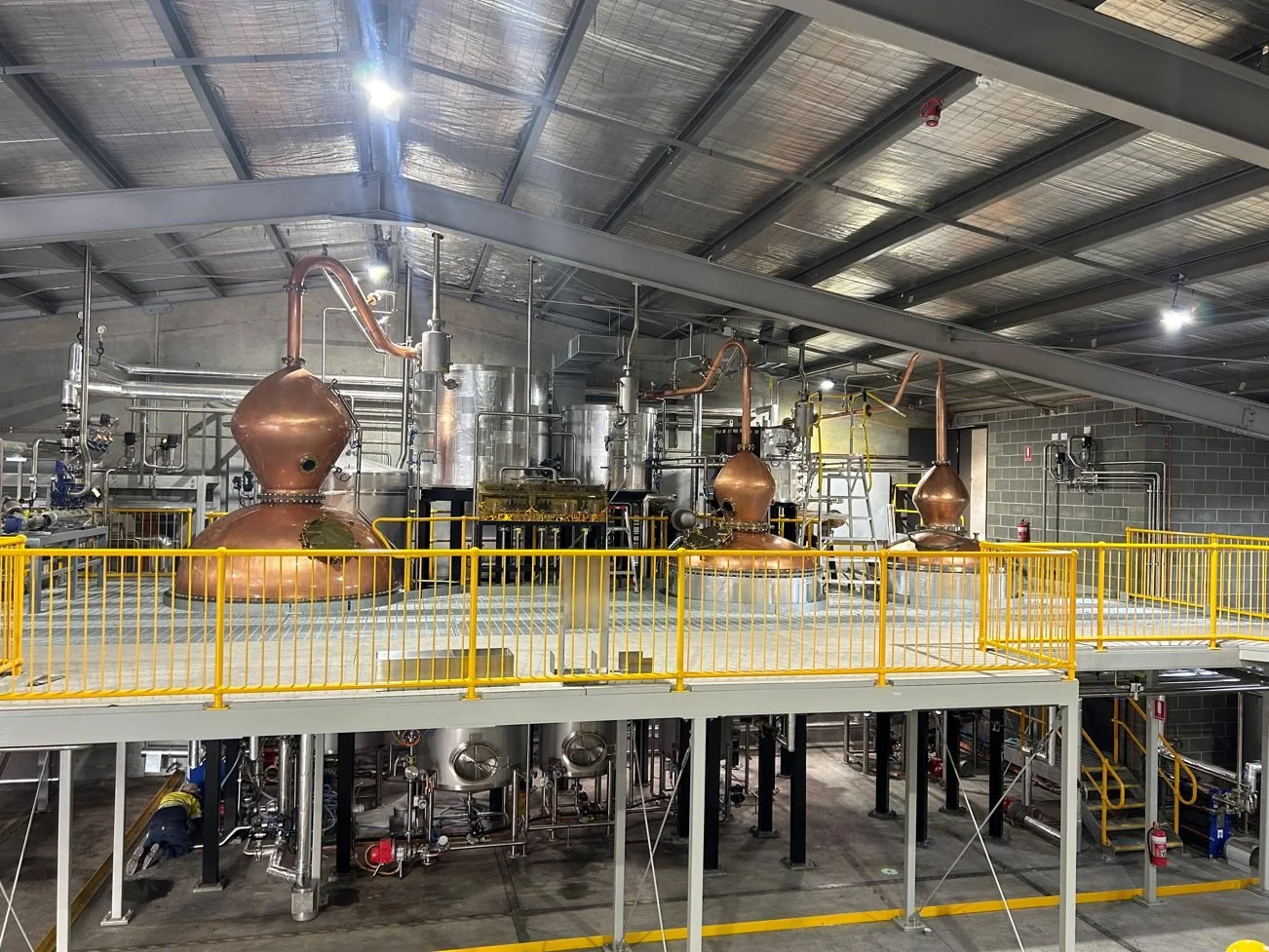
Sullivans Cove – Tasmania
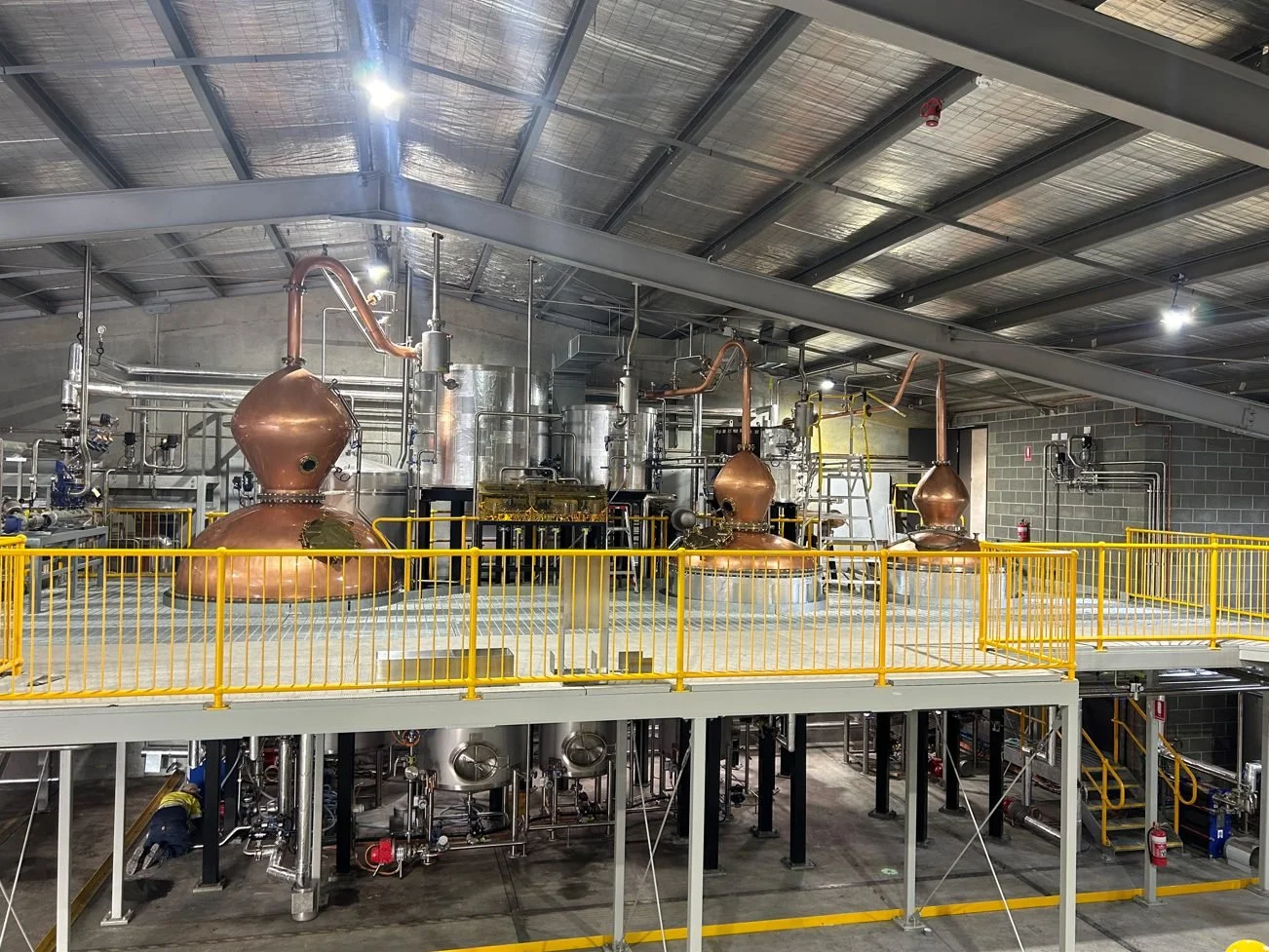
Engineering solutions supporting one of Australia’s award-winning whisky distilleries
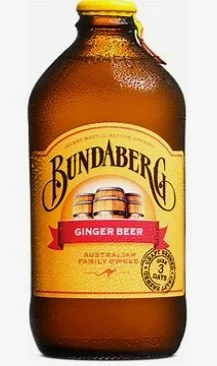
Bundaberg Brewed Drinks
A cascade ammonia heat pump system was integrated into the site's existing refrigeration cycle, offsetting steam consumption from gas-fired boilers used for the 60°C process heating load.
Energy productivity projects in food, beverage & distilling
Beyond pharmaceuticals, we've applied the same approach — reduce heat loads and match electrification technology to real process heating and cooling loads — for distillers and beverage manufacturers around the country.
Itinerant Spirits – Ballarat, VIC
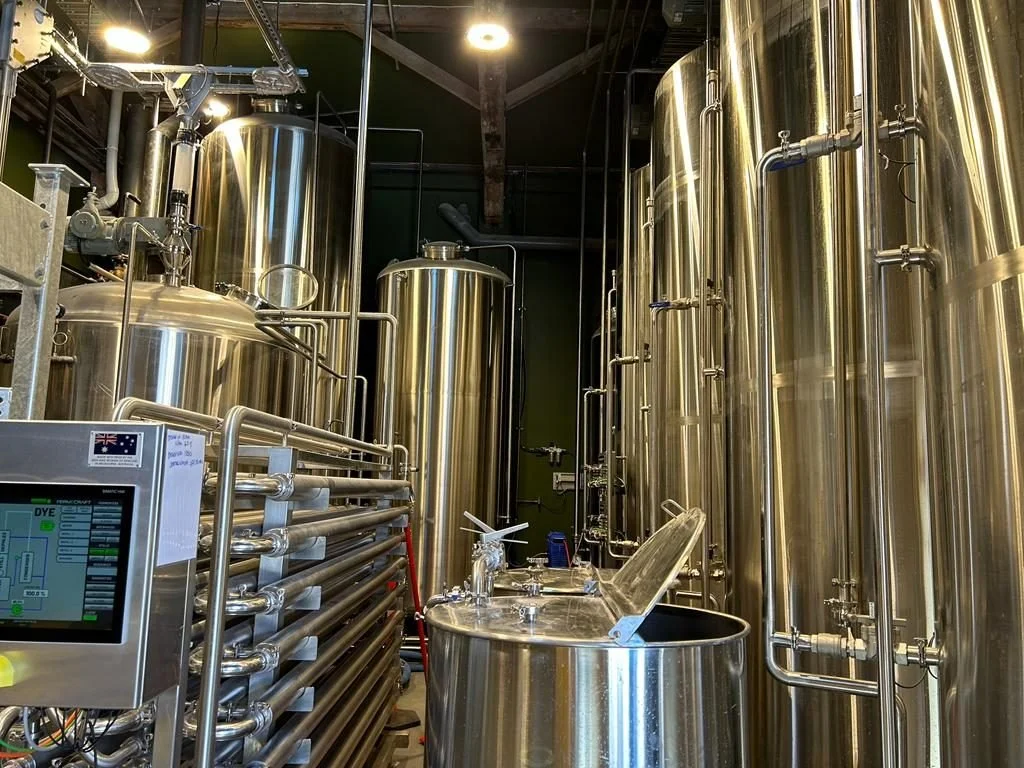
Beyond pharmaceuticals, we have applied the same approach – reduce heat loads and match electrification technology to real process heating and cooling loads – for distillers and beverage manufacturers around the country.
Process engineering support for distillery operations, integrating efficient heating and process systems.
Looking to reduce energy usage or electrify process heat at your site?
Talk to our team about a feasibility review, heat pump sizing, or detailed design for your facility.